
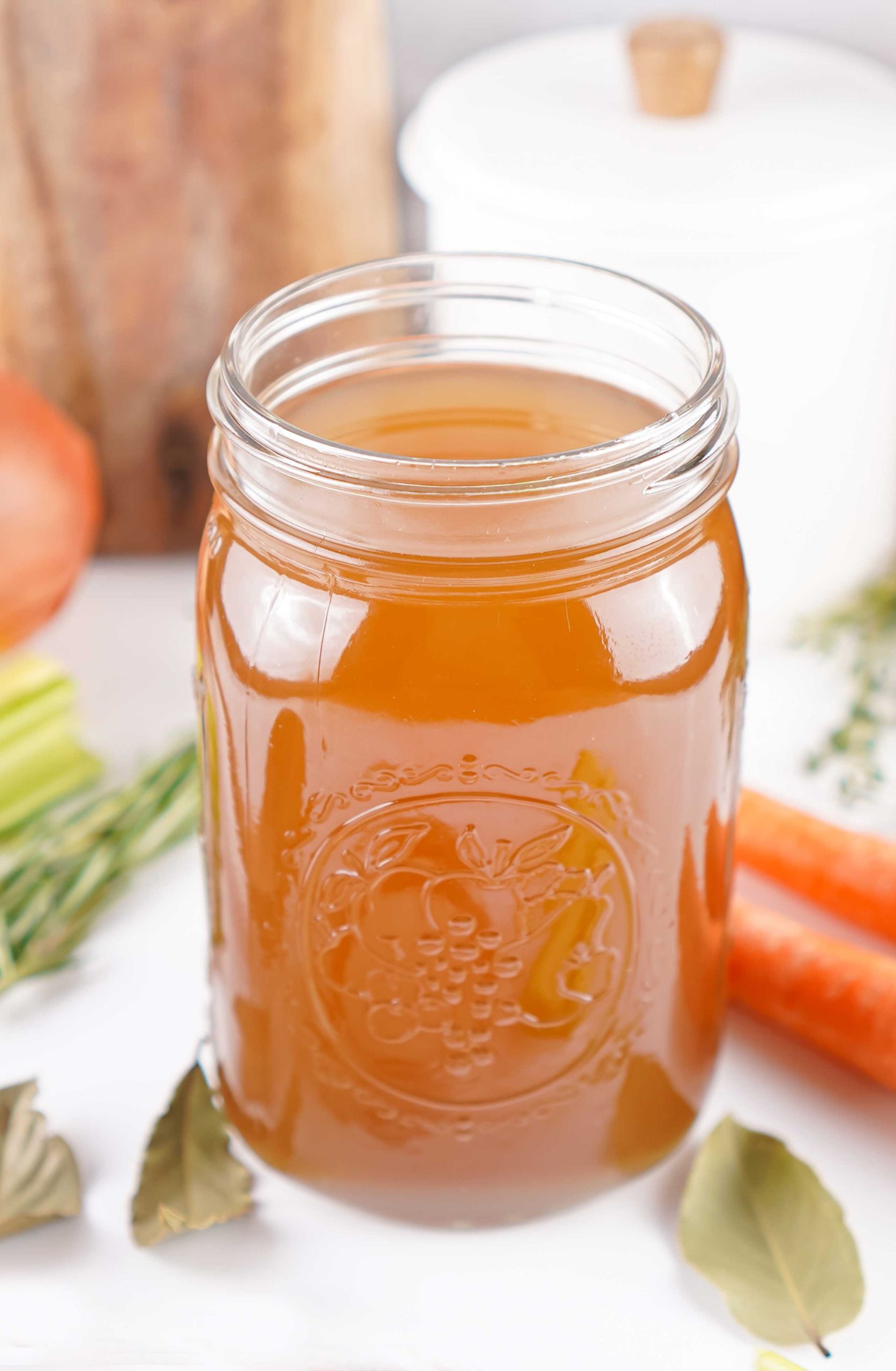
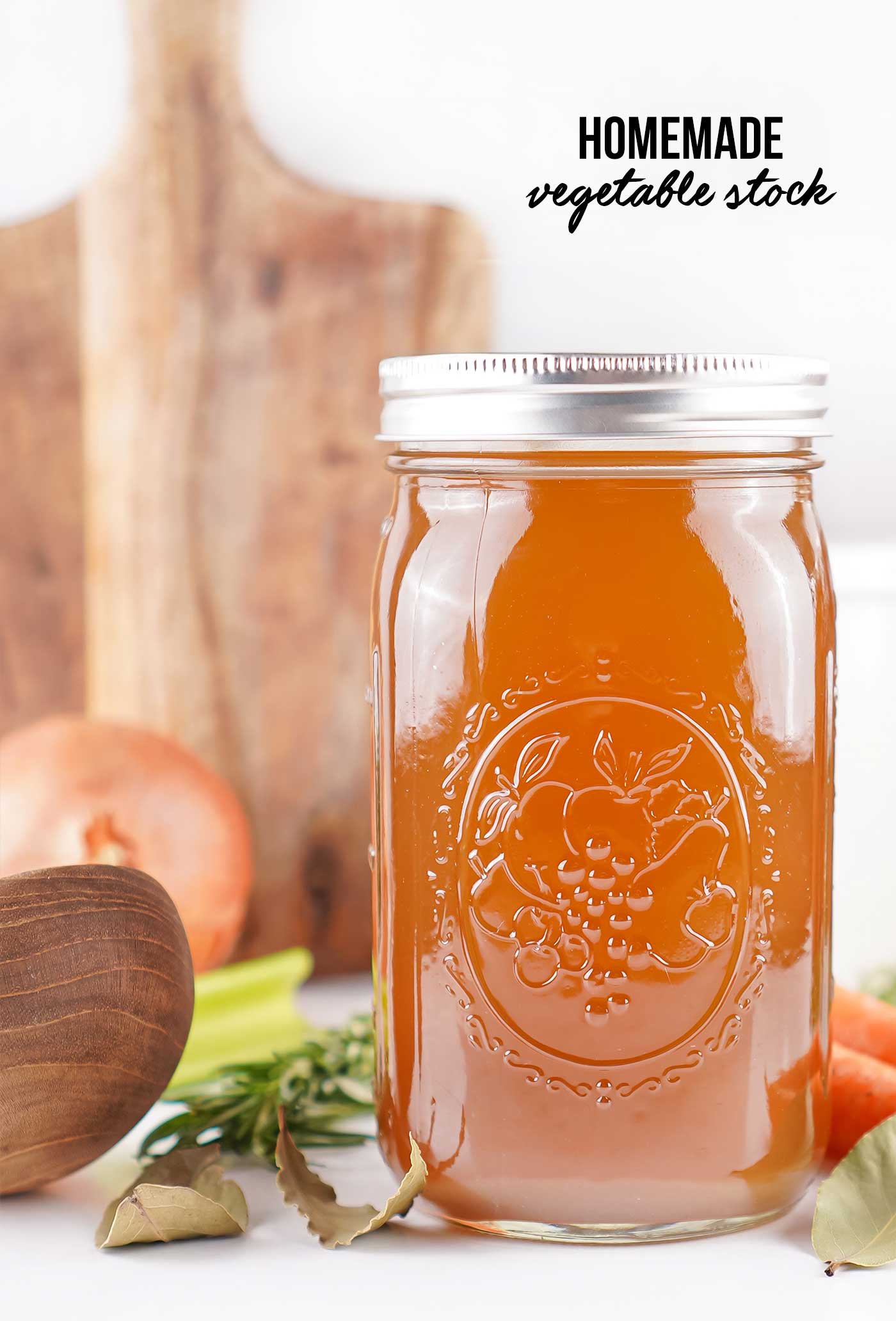
Homemade Vegetable Stock is one of the simplest recipes you can make from scratch — and one of the most versatile. With just vegetables, herbs, spices, and water, you can create a rich, flavorful base that elevates soups, slow cooker meals, Instant Pot recipes, grains, and everyday dinners. Once you make it yourself, you’ll wonder why you ever relied on the carton.
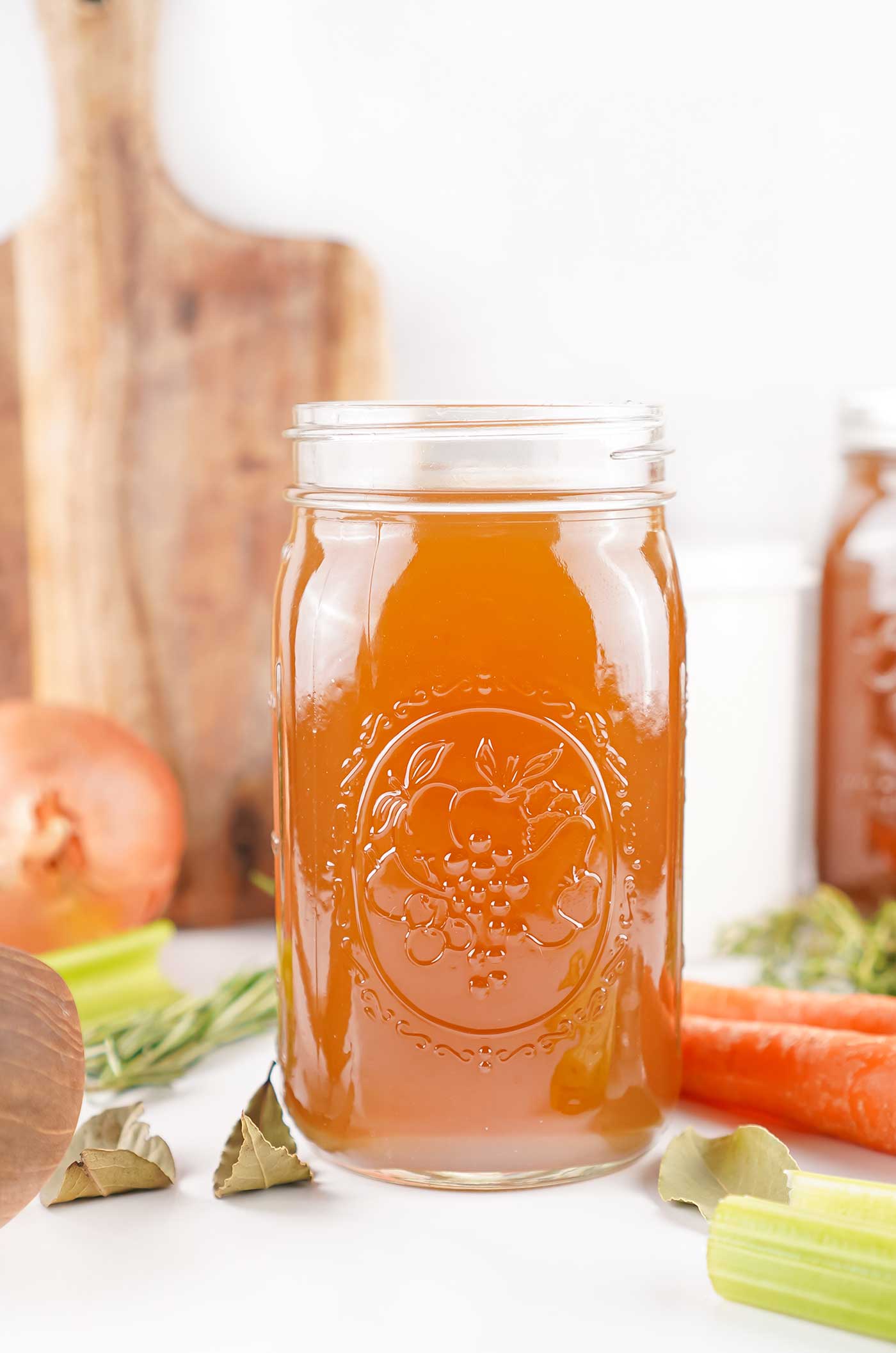
There’s something deeply comforting about a pot gently simmering on the stove. Whether it’s a chilly afternoon, a busy weeknight, or a quiet Sunday of meal prep, the aroma of herbs, garlic, and fresh herbs slowly blending together just feels like home.
And once you make it? You may never reach for the carton again.
Why Homemade Vegetable Stock Is Worth Making
Store-bought vegetable broth is convenient — but making Homemade Vegetable Stock gives you complete control over flavor, freshness, and ingredients.
Here’s why it’s worth the (very minimal) effort:
- No preservatives or additives
- Adjustable (or optional) salt
- Richer, more layered flavor
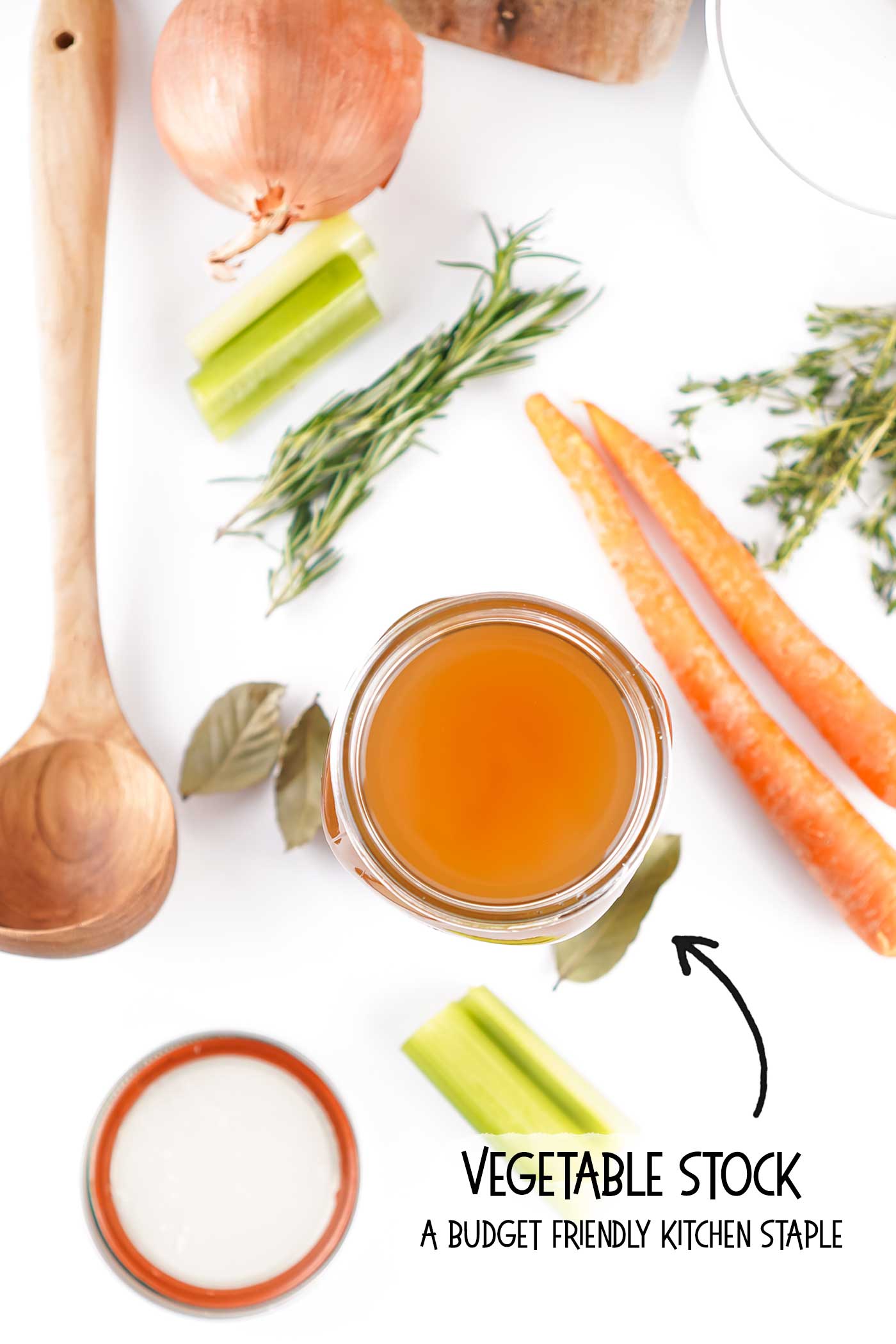
- Budget-friendly
- Versatile across seasons
- Perfect for soups, crockpot meals, and meal prep
Using whole vegetables — skins, leaves, stems — allows the stock to develop depth and nutrients naturally. It’s rustic, simple, and beautifully forgiving.
And let’s be honest: it makes your kitchen smell incredible.
Homemade Vegetable Stock Ingredients
This recipe yields approximately 96 ounces (three 32-ounce mason jars) and requires very little prep.
Ingredients
Water
Celery
Yellow Onions
Carrots
Garlic
Thyme
Rosemary
Sage
Leaves
Whole Peppercorns
Salt (optional)*
Items Needed
Large Stock Pot
3 (32-ounce) Mason Jars with Lids
Mesh Strainer
Nothing fancy. Nothing complicated. Just real ingredients doing what they do best.
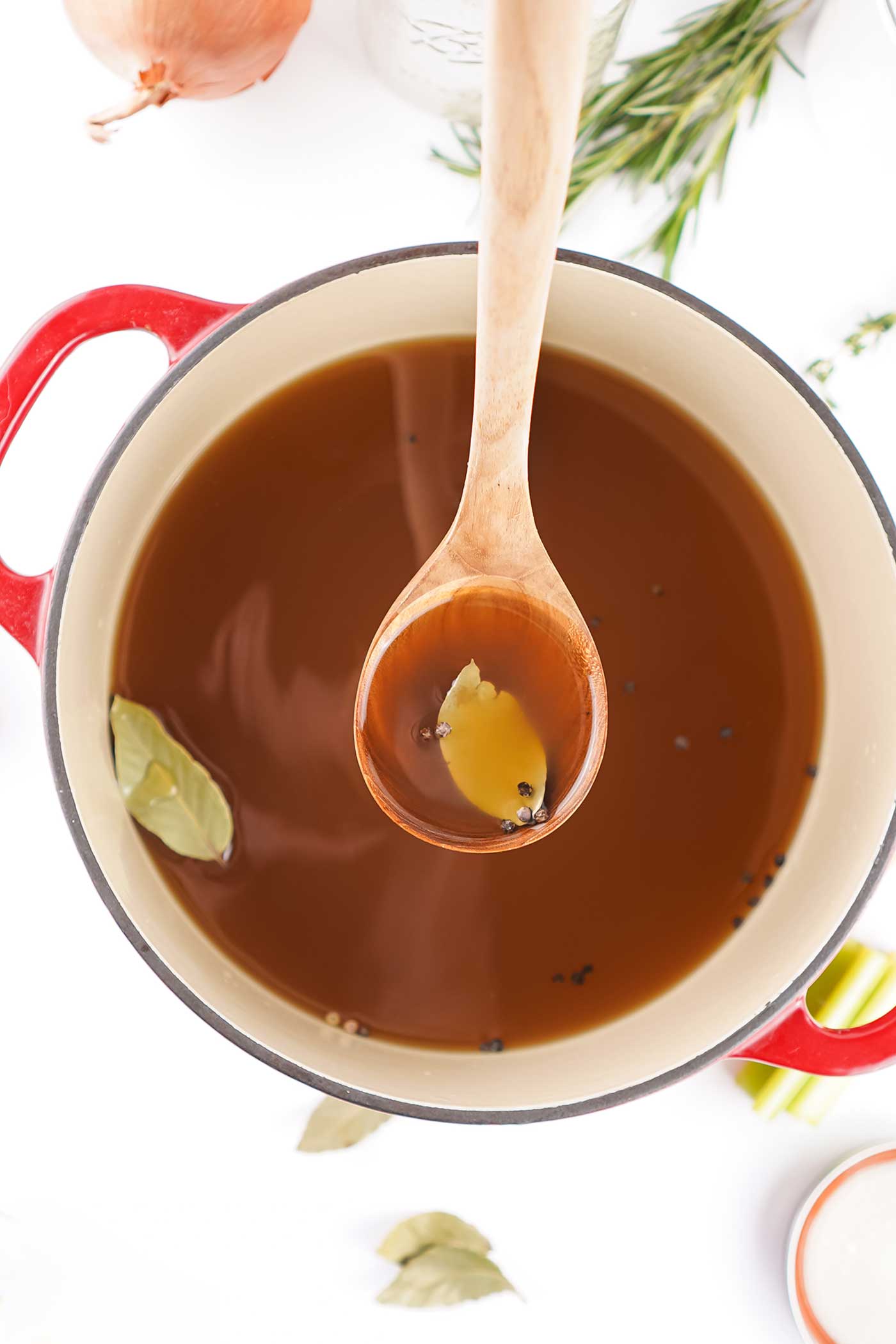
How to Make Homemade Vegetable Stock
Making Homemade Vegetable Stock is truly a “toss it in and let it simmer” kind of recipe.
- Wash all vegetables thoroughly.
- Cut the celery head into 3-inch pieces, from the root to the leaves, and add them to the stockpot.
- Quarter the carrots and onions, keeping the skins on to enhance both flavor and that rich golden color. Simply trim the root end of the onion before adding everything to the stock pot.
- Slice the garlic head in half widthwise (no peeling necessary) and add both halves.
- Add herbs, bay leaves, and whole peppercorns directly to the pot.
- Pour in 1 gallon of water.
- Bring to a boil, then reduce the heat and simmer on low to medium-low for 1 hour.
- Remove large vegetable pieces before straining the remaining liquid through a mesh strainer.
- Carefully pour the hot stock into mason jars and secure lids.
- Let it rest on the counter for about 2 hours until it reaches room temperature. Retighten lids and refrigerate.
Adding salt is completely optional. If you already know how you’ll be using the stock, a small amount of salt can help build flavor. Otherwise, keeping it unsalted gives you more control later and helps prevent over-seasoning your final dish.
That’s it. You’ve just made Homemade Vegetable Stock.
From Cozy Winter Soups to Fresh Spring Meals
While Homemade Vegetable Stock absolutely shines during winter soup season, it’s far from a one-season recipe.
In the heart of winter, it becomes the foundation for:
- Hearty vegetable soups
- Ham and bean soup
- Thick stews
- Creamy chowders
- Slow-simmered comfort meals
There’s nothing better than reaching into the fridge on a cold afternoon and knowing you have homemade stock ready for a warming bowl of soup.
But as winter begins to soften and spring approaches, our cooking often shifts too. We start craving meals that feel lighter and brighter — but still comforting.
That’s where this stock continues to shine.
It’s perfect for:
- Lighter brothy soups
- Spring vegetable medleys
- Lemon-infused rice
- Herbed quinoa
- Fresh garden-inspired sautés
It adds depth without heaviness, making it ideal for transitional meals between seasons.
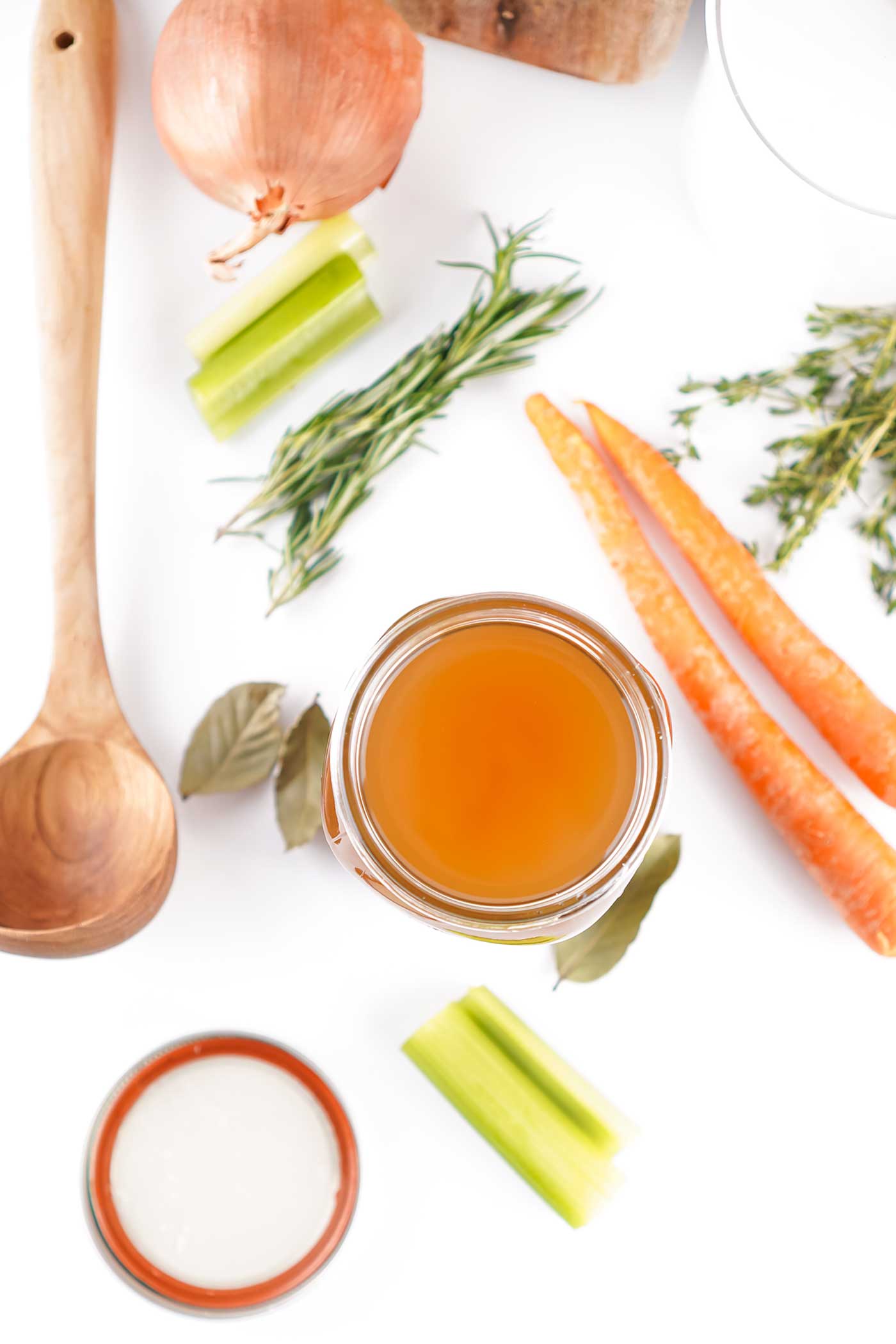
Homemade Vegetable Stock for Slow Cooker and Instant Pot Recipes
If you love easy, hands-off cooking, having Homemade Vegetable Stock on hand is a total upgrade.
Instead of adding water to your crockpot or pressure cooker recipes, swap in your homemade stock. The flavor difference is noticeable.
Use it for:
- Crockpot vegetable soup
- Slow cooker ham and bean soup
- Instant Pot rice
- Pressure-cooked dried beans
- One-pot pasta dishes
- Braised meats or vegetables
It’s one of those quiet kitchen staples that makes even simple dump-and-go meals taste like they simmered all day.
And during busy weeks — whether it’s winter routines or spring activities picking up — having jars ready to go makes dinner easier.
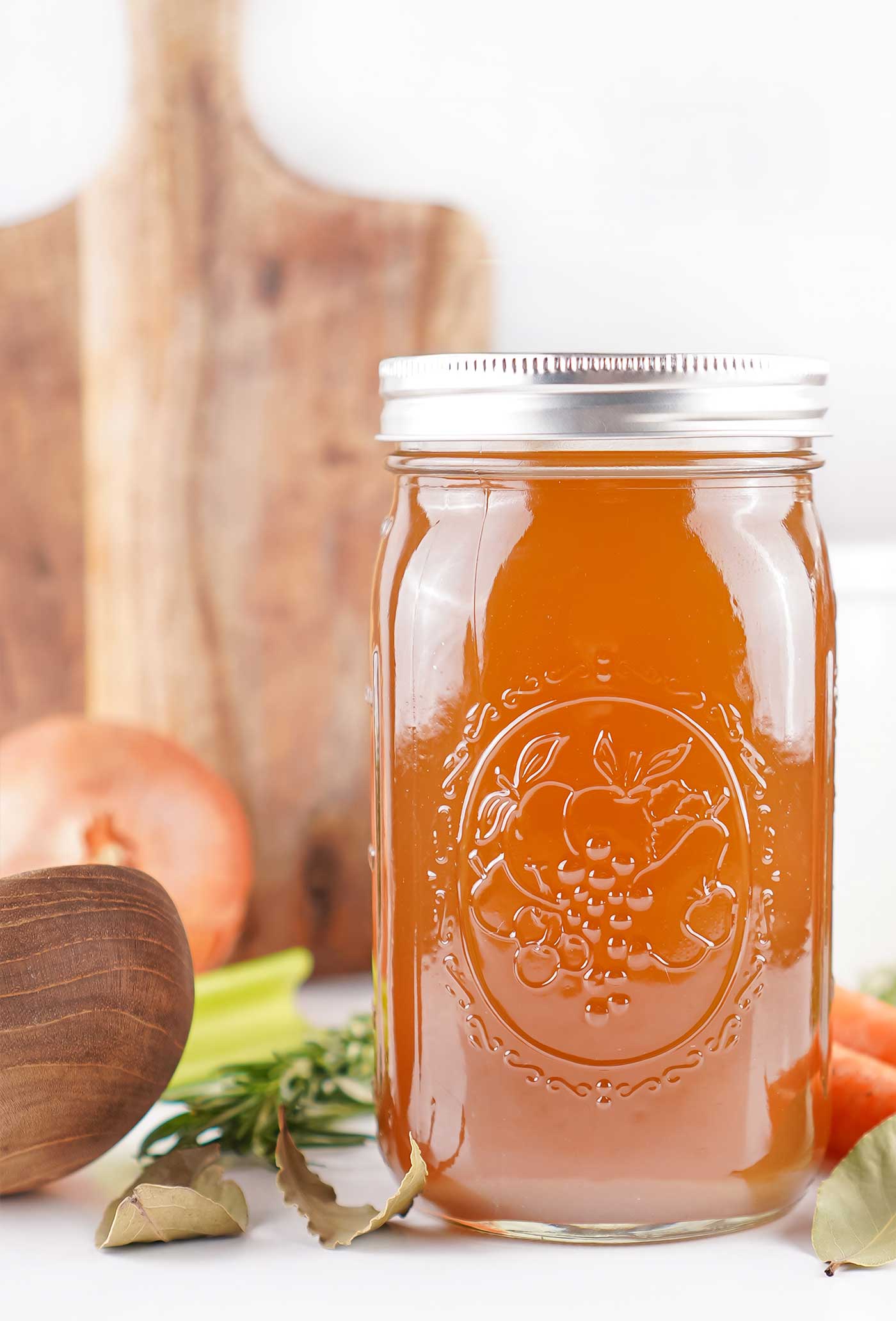
Should You Salt Homemade Vegetable Stock?
Salt is optional in this recipe.
If you already know how you’ll use the stock and the dish requires salt, adding a small amount can help build flavor.
However, many home cooks prefer keeping Homemade Vegetable Stock unsalted. This allows you to control seasoning later and prevents over-salting dishes — especially soups that reduce as they cook.
Flexibility is always a good thing in the kitchen.
Storage Tips for Homemade Vegetable Stock
Proper storage makes this recipe practical and convenient.
- Store sealed jars in the refrigerator for up to 2 months.
- Once opened, use within 2 weeks.
- Freeze in airtight containers for up to 3 months.
- Water bath canning extends shelf life in the pantry.
Pro Tip: Freeze some stock in ice cube trays for small portions. They’re perfect for sautéing vegetables or deglazing pans.
Be sure to follow safe home canning guidelines from the National Center for Home Food Preservation.
Tips for Maximum Flavor
Want to make the most of your Homemade Vegetable Stock? Keep these tips in mind:
- Use the Whole Vegetable: Carrot skins, celery leaves, and garlic skins all add depth and nutrients.
- Simmer Gently: Avoid a rolling boil. A gentle simmer extracts flavor while keeping the stock clear.
- Customize It: Add mushroom stems for extra umami. Toss in leek tops or parsley stems. This recipe is flexible and forgiving.
FAQ About Homemade Vegetable Stock
Can I freeze Homemade Vegetable Stock?
Yes! Homemade Vegetable Stock freezes beautifully. Store it in airtight containers or freezer-safe jars for up to 3 months. You can also freeze in smaller portions in ice cube trays for easy additions to cooking.
How long does Homemade Vegetable Stock last in the fridge?
Sealed jars can last up to 2 months in the refrigerator. Once opened, use within 2 weeks for best quality and safety.
Is vegetable stock the same as vegetable broth?
They are very similar. Stock is typically less seasoned and used as a base for recipes, while broth may be salted and ready to sip. This Homemade Vegetable Stock recipe gives you flexibility for either use.
Can I add different vegetables?
Absolutely. While this recipe uses celery, onions, carrots, and herbs, you can add mushroom stems, leek tops, or parsley stems. Avoid overly bitter vegetables, such as broccoli or cauliflower.
Do I need to peel the vegetables?
No peeling required for carrots, onion and garlic. Using the whole vegetable adds layers of flavor and nutrients. Trim only the root end of the onion.
Can I make Homemade Vegetable Stock in a slow cooker?
Yes! Simply add all ingredients to your slow cooker and cook on low for 6–8 hours. Then strain and store as directed.
Homemade Vegetable Stock
Ingredients
- 1 gallon water
- 1 head celery
- 2 medium yellow onions
- 5 medium garrots
- 1 head or bulb garlic
- 12 sprigs thyme
- 4 sprigs rosemary
- 3 sprigs sage
- 5 bay leaves
- 2 tbspns. whole peppecorns
- 1 tsp salt (optional)
Instructions
- Wash all vegetables thoroughly.
- Cut the whole celery head into 3-inch pieces from root to leaves and add to the stockpot.
- Quarter the carrots and onions, leaving the skins on for added flavor and color. Trim only the root end of the onion, then add everything to the pot.
- Slice the garlic head in half widthwise (no peeling necessary) and add both halves.
- Add herbs, bay leaves, and whole peppercorns directly to the pot.
- Pour in 1 gallon of water.
- Bring to a boil, then reduce heat and simmer on low to medium-low for 1 hour.
- Remove large vegetable pieces before straining the remaining liquid through a mesh strainer.
- Carefully pour the hot stock into mason jars and secure lids.
- Let it rest on the counter for about 2 hours until room temperature. Retighten lids and refrigerate.
Notes
Soup Recipes that use or can use this homemade stock:
Black Bean Soup – uses vegetable stock right in the recipe.
Hearty Southern Italian Stew – swaps broth for stock for even more flavor.
Tomato Soup – swap out the chicken broth with this homemade stock.
Ham and Bean Soup – swapping in this vegetable Stock would add dimension.
A Simple Kitchen Staple for Every Season
Whether it’s a snowy winter afternoon or that first cool spring evening, Homemade Vegetable Stock is one of those foundational recipes that carries you through the seasons.
It’s simple, nourishing, and versatile. It quietly makes everything taste better.
Once you start keeping jars on hand, you’ll wonder how you ever cooked without it.






Leave a Reply